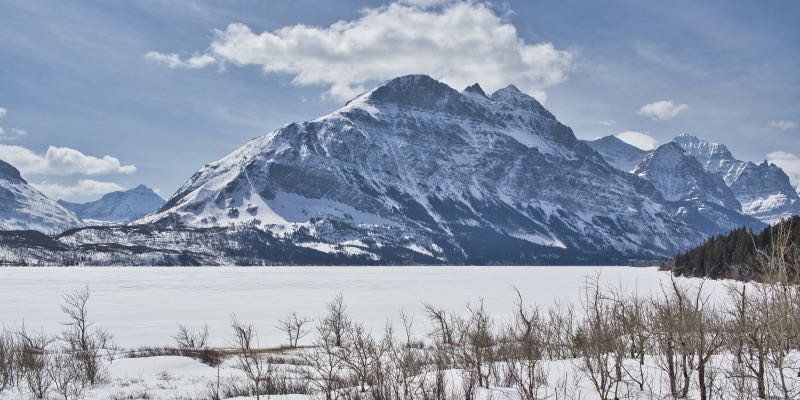
Imagine a landscape transformed: towering peaks draped in pristine white, a hush falling over majestic valleys, and the crisp bite of winter air invigorating your senses. This isn't just a dream; it's the reality of Glacier National Park in winter. While the summer months draw millions, creating bustling trails and crowded viewpoints, the colder season offers a rare opportunity to experience one of America's most stunning national parks in unparalleled serenity. If you've ever longed for an escape from the ordinary, a trip to Glacier National Park when snow blankets its iconic scenery is an adventure waiting to unfold.
Escape the Crowds: Why Winter in Glacier National Park is Unrivaled
For many, the mention of Glacier National Park conjures images of vibrant summer wildflowers, emerald lakes under blue skies, and the iconic Going-to-the-Sun Road winding through alpine grandeur. What often goes unmentioned, however, is the sheer volume of visitors these scenes attract. Peak season can see long lines, packed parking lots, and trails teeming with people. This is where the magic of winter in Glacier National Park truly shines.
Winter is Glacier's longest and quietest season, transforming the park into a secluded, frozen wonderland. The significant snowfall each year covers the landscape in a deep, insulating blanket, muffling sounds and creating an atmosphere of profound peace. You'll find yourself practically alone amidst breathtaking vistas that during summer would be swarmed with onlookers. This solitude allows for a deeper connection with nature, offering a sense of discovery and personal communion with the park's majestic beauty that is simply unattainable during the busier months.
Beyond the lack of crowds, the visual appeal of Glacier under snow is profoundly different and equally captivating. Lake McDonald, for instance, often presents a glass-like surface reflecting snow-capped mountains, or a dramatic expanse of frozen ice, far removed from its summer bustle. The forests become enchanted realms, silent save for the crunch of snow underfoot. It’s an experience that feels exclusive, a secret shared only by those intrepid enough to venture into its winter heart.
Embrace the Winter Wonderland: Activities and Experiences
Don't be fooled by the quietude; Glacier National Park in winter is far from dormant. For the self-reliant visitor, a surprising array of outdoor activities awaits, promising unforgettable moments amidst stunning snowy backdrops.
Snowshoeing: Your Key to Hidden Trails
Snowshoeing is undoubtedly one of the most popular and accessible ways to explore the park during winter. It allows you to traverse snow-covered landscapes that would otherwise be impassable, opening up new perspectives on familiar trails. The Apgar area, accessible year-round, serves as an excellent starting point for your snowshoeing adventures. Imagine strapping on your snowshoes and heading out from Apgar Village, forging your own path on sections of the famously scenic Going-to-the-Sun Road when it's closed to vehicles and blanketed in snow. The silence, punctuated only by the rhythmic crunch of snow and your own breath, is truly restorative. For those eager to dive deeper into specific activities and serene views, explore our comprehensive guide: Glacier National Park Winter: Snowshoeing, Skiing & Serene Views.
Cross-Country Skiing: Glide Through a Winter Dream
For those who prefer a glide to a crunch, cross-country skiing offers another fantastic way to experience Glacier's winter splendor. Sections of the unplowed roads, particularly the initial stretches of Going-to-the-Sun Road from the West Entrance, become pristine cross-country ski trails. This allows skiers to cover more ground and access deeper into the park’s snow-laden forests and valleys. The relatively flat terrain around Apgar and the lower portions of the main roads are perfect for both beginners and experienced skiers seeking a peaceful journey through the snow.
Winter Hiking and Wildlife Spotting
While deep snow makes traditional hiking challenging in many areas, some lower elevation trails might still be accessible for winter hiking, especially early in the season or after periods of lighter snowfall. Even if you're not trekking far, simply admiring the scenery from accessible viewpoints is a reward in itself. Furthermore, winter often provides enhanced opportunities for wildlife viewing. While grizzly bears will be deep in hibernation, the snowy landscape makes it considerably easier to spot other magnificent creatures. Keep an eye out for elk, deer, and moose, whose dark coats stand out against the white backdrop. Birdlife also flourishes, with sightings of harlequin ducks and the camouflaged white-tailed ptarmigan adding to the enchantment.
Planning Your Serene Escape: What You Need to Know
A winter trip to Glacier National Park requires a bit more planning and self-reliance than a summer visit, but the rewards are well worth the effort. Understanding the logistical nuances is key to a successful and enjoyable experience.
Accessibility and Road Conditions
- West Entrance Focus: The Western Entrance to Glacier National Park is the only entrance open year-round. This makes the Apgar area your primary access point for winter activities.
- Limited Plowed Roads: By mid-December, very few roads inside the park are plowed. The main exceptions are Apgar Village and about a mile and a half on the east side (though the west side is generally more accessible).
- Going-to-the-Sun Road: From the West Entrance, Going-to-the-Sun Road is typically plowed to Lake McDonald Lodge. Beyond that, it becomes a designated route for cross-country skiers and snowshoers, offering an unparalleled opportunity to explore this iconic road on foot or skis. High elevation sections like Logan Pass are inaccessible.
- East Side Access: Most of the east side of the park, including Many Glacier, is closed and inaccessible by vehicle in winter.
Services and Lodging
Be prepared for self-sufficiency. Most services and facilities within the park are closed during winter:
- Park Facilities: All Glacier National Park lodges and most West Glacier accommodations close for the season. The Apgar Visitor Center itself is closed, but restrooms and an interpretive area typically remain open, along with a station for filling water bottles. The West Glacier Headquarters building is staffed during the week.
- Food & Supplies: You'll need to pack all your own water, snacks, and any other provisions for your outings. There are no food services available within the park boundaries.
- Off-Park Accommodations: You'll find ample lodging options in nearby gateway communities such as Columbia Falls, Kalispell, and the charming ski resort town of Whitefish. It is highly recommended to make firm lodging reservations well in advance, as spontaneous travel can lead to issues in these off-season destinations.
Making the Most of Your Winter Visit
To ensure a safe and memorable winter in Glacier National Park, consider these practical tips and insights:
- Dress in Layers: Montana winters can be extremely cold. Invest in quality waterproof and insulated layers, including a warm hat, gloves, and sturdy winter boots.
- Winter Driving Kit: Always have a well-stocked winter driving kit in your vehicle. This should include emergency blankets, extra food and water, a shovel, chains (know how to use them!), and jumper cables. Roads can be icy and unpredictable.
- Check Conditions: Before heading out, always check current weather forecasts, road conditions, and avalanche danger reports, especially if you plan to venture into higher elevations. Avalanche danger exists in many areas, particularly off groomed trails.
- Stay Hydrated and Fueled: Cold weather can be deceiving, but you'll still need to drink plenty of water and consume calorie-rich snacks to maintain energy and body temperature.
- Bring a Map and Compass/GPS: Even on seemingly straightforward trails, fresh snowfall can obscure paths. A reliable navigation tool is essential.
- Embrace the Quiet: One of the greatest gifts of winter in Glacier is the profound silence. Take moments to simply stop, listen, and absorb the hushed beauty around you.
- Photography Opportunities: The stark contrasts of snow, dark evergreens, and often dramatic skies create unparalleled photographic opportunities. Plan to bring extra batteries, as cold temperatures can drain them quickly.
Visiting Glacier National Park in the winter is not as complicated as it might seem, but it certainly requires careful preparation. By embracing the challenges and planning ahead, you'll unlock a deeply rewarding and utterly breathtaking experience. For a more detailed itinerary and essential gear checklist, make sure to consult Your Essential Guide to a Winter Adventure in Glacier National Park.
A journey to Glacier National Park in winter is more than just a vacation; it's an immersive experience into a world transformed. It offers solace, adventure, and the rare privilege of witnessing one of America's crown jewels in its most pristine and peaceful state. If you yearn for an escape from the ordinary and a connection with nature devoid of summer's rush, then pack your bags, make your reservations, and prepare to discover the unparalleled beauty of Glacier National Park when the snow falls.
