Your Essential Guide to a Winter Adventure in Glacier National Park
When most people picture Glacier National Park, they envision vibrant summer wildflowers, bustling trails, and the iconic Going-to-the-Sun Road winding through alpine splendor. But for the discerning traveler seeking profound solitude and a breathtakingly unique landscape, a visit to
winter in Glacier National Park offers an experience that transcends the ordinary. Far from being a dormant season, winter transforms this Montana gem into a serene, snow-draped wonderland, inviting self-reliant adventurers to discover its quieter, more majestic side. Prepare to trade the summer crowds for hushed forests, frozen lakes, and panoramic vistas cloaked in pristine white.
Embrace the Solitude: Why Winter in Glacier National Park is Unforgettable
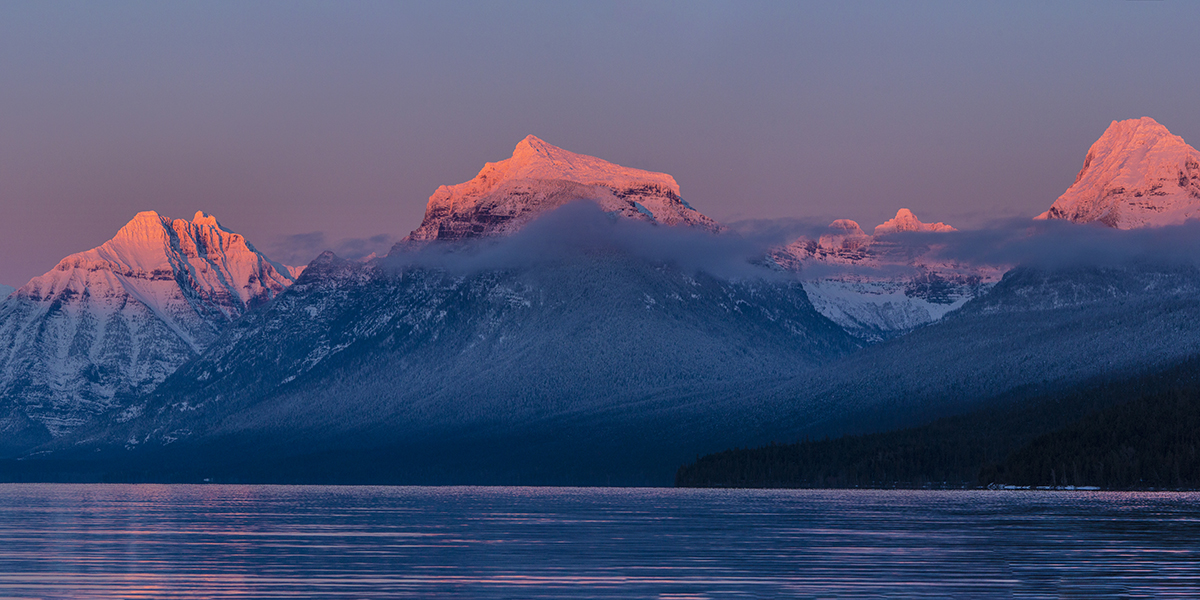
The stark beauty of Glacier National Park in winter is a stark contrast to its peak season hustle. Imagine standing at the edge of a snow-covered Lake McDonald, its famous colorful pebbles now hidden beneath a thick sheet of ice and snow, reflecting the steel-blue winter sky. The air is crisp, the silence is profound, broken only by the crunch of your boots on fresh powder or the distant call of a winter bird. This unparalleled tranquility is perhaps the greatest draw for visitors during the colder months.
While summer might bring long queues and packed parking lots, a winter in Glacier National Park promises an intimate connection with nature. You'll practically have the place to yourself, allowing for contemplative moments and unobstructed views that are simply not possible during the high season. This peaceful environment makes it the perfect escape for those looking to reconnect with the wilderness on a deeper level. For a detailed look at why the off-season offers an unmatched experience, read our guide on
Escape the Crowds: Why Winter is Best for Glacier National Park.
Essential Activities for Your Winter Glacier Expedition
Despite significant snowfall and limited access,
winter in Glacier National Park is far from lacking in activities. For the outdoor enthusiast, it’s a paradise waiting to be explored on skis or snowshoes.
Snowshoeing and Cross-Country Skiing
These are undoubtedly the most popular ways to navigate Glacier's winter landscape. With most roads unplowed, sections of Going-to-the-Sun Road and other park areas transform into expansive, pristine trails perfect for gliding or trekking through.
*
Apgar Village Area: The Apgar area, accessible year-round from the West Entrance, serves as an excellent starting point for snowshoeing adventures. Here, you can embark on trails that offer stunning views of Lake McDonald and the surrounding forests. It's a relatively safe and easily accessible zone, ideal for both beginners and experienced snowshoers.
*
Going-to-the-Sun Road: Beyond Lake McDonald Lodge, the plowed section of Going-to-the-Sun Road ends, making the remaining stretches a haven for cross-country skiers and advanced snowshoers. This allows for an incredible opportunity to experience one of America's most scenic drives from a completely unique perspective, traversing terrain normally reserved for vehicles. Remember, while the road itself might be an easier grade, venturing off into higher elevations requires advanced avalanche awareness and preparation.
*
East Side Access: Though highly limited, approximately a mile and a half of road on the park's east side is also maintained, providing another small window for winter exploration.
Winter Hiking and Wildlife Spotting
While challenging, winter hiking can also be a rewarding activity, especially on packed trails at lower elevations. The dramatic snowy backdrop makes for fantastic photography opportunities, capturing the park's iconic features under a blanket of white. Furthermore, the snowy landscape often makes wildlife spotting easier. While grizzly bears will be deep in hibernation, you might have the chance to see elk, deer, and moose navigating the snow, or spot various bird species adapted to the colder climate, such as harlequin ducks or white-tailed ptarmigan. For more details on specific routes and serene views, check out our article on
Glacier National Park Winter: Snowshoeing, Skiing & Serene Views.
Planning Your Perfect Winter Glacier Getaway
A successful winter trip to Glacier National Park requires more meticulous planning than a summer visit, but the rewards are immeasurable. Being self-reliant is paramount, as many services are closed.
Accessibility and Park Services
*
Entrance Points: The West Entrance of Glacier National Park is the only one open year-round. This is your primary gateway to a winter adventure.
*
Road Access: Beyond the initial stretch to Apgar Village and Lake McDonald Lodge from the West Entrance, and a short section on the east side, most park roads are unplowed and transform into de facto winter trails. High elevation trailheads, including those leading to Logan Pass or Many Glacier, are inaccessible.
*
Visitor Facilities: Most park facilities, including lodges and visitor centers, are closed for the winter. However, the West Glacier Headquarters building is typically staffed during weekdays, and the Apgar Visitor Center provides restrooms, an interpretive area, and a crucial water bottle filling station. Always pack extra water and snacks, as no food or drink services will be available within the park.
Lodging and Accommodations
With nearly all Glacier National Park lodges closing down for the winter season, securing accommodations outside the park is crucial. Spontaneous travel can lead to disappointment in this off-season destination.
*
Nearby Towns: Your best bets for lodging are the charming towns surrounding the park. Columbia Falls, Kalispell, and the popular ski resort town of Whitefish offer a range of hotels, motels, and vacation rentals. It is highly recommended to make firm lodging reservations well in advance, especially if traveling on weekends or during holiday periods.
Essential Gear and Safety Tips
Your comfort and safety hinge on proper preparation. Glacier's winter can be unforgiving if you're not equipped.
*
Winter Driving Kit: Even if roads are plowed, conditions can change rapidly. Always have an emergency kit in your vehicle, including blankets, extra food/water, a first-aid kit, a shovel, traction aids (chains or quality winter tires are often essential), and fully charged communication devices.
*
Layered Clothing: Dress in multiple layers to adapt to changing temperatures and activity levels. This includes waterproof outer layers, insulating mid-layers (fleece, down), and moisture-wicking base layers. Don't forget waterproof boots, gaiters, warm gloves or mittens, and a hat.
*
Navigation and Safety: Carry maps, a compass, or a GPS device (and know how to use them). Be aware of avalanche danger, especially when venturing into steeper terrain. Check avalanche forecasts before heading out and consider carrying avalanche safety gear (transceiver, probe, shovel) if you have the training. Always inform someone of your itinerary and expected return time.
Experiencing the Frozen Wonderland
A winter vacation in Glacier National Park is a unique blend of challenge and immense reward. It demands a bit more forethought, a spirit of adventure, and a willingness to embrace the elements, but in return, it offers a truly unparalleled experience. The silence, the pristine snow, the dramatically altered landscapes, and the feeling of having one of America's most iconic national parks virtually to yourself create memories that will last a lifetime.
Whether you're gliding silently on skis down a snow-covered road, crunching through fresh powder on snowshoes, or simply marveling at the frozen spectacle of Lake McDonald, the magic of
winter in Glacier National Park is undeniable. It's a testament to the park's enduring beauty, showcasing its rugged wilderness in a new, profound light that only the quietest season can reveal.
So, stock up your winter driving kit, make those reservations, and prepare to discover the enchanting, solitary beauty of Glacier National Park when it dons its magnificent winter cloak. This isn't just a trip; it's an unforgettable journey into a frozen wonderland.