Glacier National Park Winter: Snowshoeing, Skiing & Serene Views
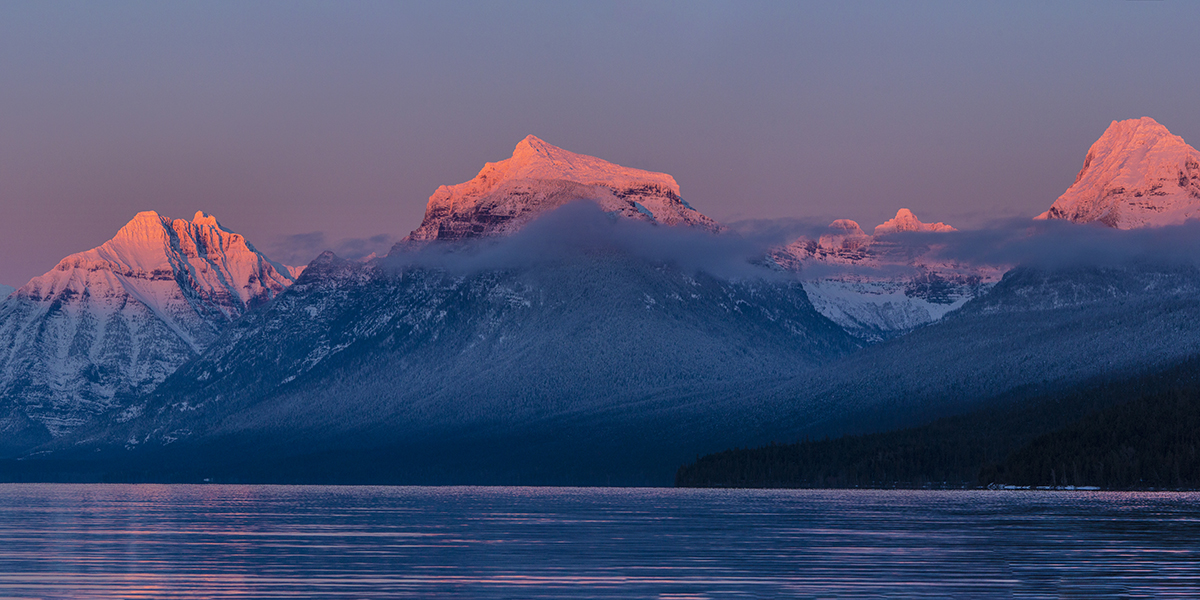
Imagine a landscape transformed: towering peaks blanketed in pristine white, ancient forests hushed under a mantle of snow, and glacial lakes frozen into reflective mirrors. This is the unparalleled beauty of a
winter in Glacier National Park, a season of profound tranquility and breathtaking grandeur that offers an entirely different, yet equally captivating, experience than its bustling summer months. If you’ve ever yearned to witness Montana’s crown jewel in its most serene form, prepare to discover an adventure less traveled, where the silence is broken only by the crunch of snow beneath your feet and the whisper of the wind through frosted pines.
Embracing the Tranquility: Why Winter in Glacier National Park is Unforgettable
Winter is by far the quietest and longest season in Glacier National Park, and for many, this is precisely its allure. While summer sees throngs of visitors exploring its iconic trails and scenic drives, the colder months offer a profound sense of solitude. The park receives significant snowfall every year, transforming its vibrant landscapes into a stark, majestic wonderland. This means fewer cars, fewer footprints, and a genuine feeling of having this magnificent wilderness practically to yourself. It’s an ideal escape for those who seek peace, introspection, and an intimate connection with nature, far removed from the clamor of everyday life. If you're tired of battling the crowds, winter is undeniably the best time to experience the park's raw, untamed beauty. For a deeper dive into the benefits of off-season travel, consider reading
Escape the Crowds: Why Winter is Best for Glacier National Park.
Despite the perception of a park "closed for winter," there's an abundance of activities for self-reliant visitors. The park's main roads, once bustling arteries, become pristine pathways for winter sports enthusiasts. The deep snow pack and frozen conditions create a unique playground, inviting adventurers to explore its untouched corners in ways unimaginable during other seasons.
Unveiling Winter Wonders: Premier Activities in Glacier
A trip to Glacier National Park in winter is all about embracing the elements and engaging in invigorating outdoor pursuits. With a bit of planning and the right gear, you'll discover a frozen wonderland ripe for exploration.
Snowshoeing Through a Winter Wonderland
Snowshoeing is undoubtedly one of the most popular and accessible ways to experience Glacier's winter magic. It allows you to traverse snow-covered trails and even unplowed sections of roads, offering a unique perspective of the park's iconic features.
*
Apgar Village Area: The Apgar area, open year-round, serves as an excellent starting point for a snowshoe adventure. Its relatively flat terrain and accessible trails make it perfect for all skill levels, from beginners to experienced snowshoers. You can wander along the shore of a partially frozen Lake McDonald, admiring the vibrant colored pebbles visible through the ice, or venture into the silent, snow-draped forests.
*
Going-to-the-Sun Road: Once the famous Going-to-the-Sun Road closes to vehicles beyond Lake McDonald Lodge, it transforms into an incredible thoroughfare for snowshoers. Imagine striding along this engineering marvel, surrounded by snow-capped peaks, with no sound but your own footsteps. It's an unparalleled experience that truly makes you feel like you've stepped into a postcard.
Cross-Country Skiing on Unplowed Roads
For those who prefer a faster pace, cross-country skiing throughout Glacier offers access to spectacular scenery and truly uncrowded recreational opportunities. Like snowshoeing, skiers can utilize the unplowed sections of roads, particularly the Going-to-the-Sun Road.
*
Lake McDonald Area: The segment of Going-to-the-Sun Road from the West Entrance to Lake McDonald Lodge is plowed for about a mile and a half, but beyond that, it becomes a groomed (or sometimes ungroomed, depending on conditions) ski trail. This provides miles of peaceful, scenic skiing through valleys framed by towering mountains.
*
East Side Access: While more limited, a small section on the east side also offers opportunities for cross-country skiing, often providing stunning views of the Two Medicine or St. Mary Lake areas. However, access to the east side generally requires more planning due to road closures and limited services.
Winter Hiking and Photography
Even without specialized gear, winter hiking is a possibility, especially around the Apgar and West Glacier areas, where snow is often packed down. Microspikes can be incredibly helpful for traction on icy patches. Beyond structured activities, simply admiring the scenery is an activity in itself. The dramatic snowy scenes of Lake McDonald, with its glassy surface reflecting the winter sky, are breathtaking. Photography enthusiasts will find endless inspiration in the muted tones, stark contrasts, and unique light of a winter day in Glacier.
Navigating Your Winter Adventure: Essential Planning Tips
Visiting Glacier National Park in the winter, while incredibly rewarding, requires a bit more planning than a summer road trip. Most of the services within the park are closed, and road access is significantly reduced.
Road Access and Park Facilities
*
West Entrance is Key: The Western Entrance to Glacier National Park is the only entrance open year-round. This is your primary access point for almost all winter activities.
*
Going-to-the-Sun Road: In winter, Going-to-the-Sun Road is open from the West Entrance to Lake McDonald Lodge. Beyond this point, it belongs to cross-country skiers and snowshoers. High-elevation trailheads will not be accessible due to deep snow and potential avalanche danger.
*
Apgar Village: Apgar Village and a mile and a half on the east side are the only roads maintained during the winter.
*
Visitor Services: The Apgar Visitor Center is closed, but restrooms and an interpretive area are typically open, along with a station for filling water bottles. The West Glacier Headquarters building is generally staffed during the week for information and permits. All Glacier National Park lodges and most West Glacier accommodations close down for the winter season. Areas like Many Glacier and Logan Pass are completely inaccessible.
Lodging and Dining
Since most park facilities are closed, you'll need to look for accommodations outside the park gates. The nearby towns of Columbia Falls, Kalispell, and the ski resort town of Whitefish offer a range of lodging options, from cozy cabins to hotels.
Important Advice: Spontaneous travel can be fun, but it can also get you in trouble when traveling to off-season destinations in cold climates like Montana. We highly recommend having firm lodging reservations in place before leaving home. Additionally, be sure to pack water and snacks for your winter outings in Glacier National Park, as all in-park services will be closed.
Safety and Preparation
*
Winter Driving Kit: Stock up your winter driving kit with essentials like chains, emergency blankets, extra food/water, and a shovel. Road conditions can change rapidly.
*
Avalanche Awareness: Be aware that avalanche danger can exist, especially on higher elevation trails and steep slopes. Always check current conditions and avoid risky areas.
*
Layered Clothing: Dress in layers to adapt to changing temperatures. Waterproof outer layers, insulated boots, hats, and gloves are essential.
*
Self-Reliance: Winter demands self-reliance. Carry a map, compass or GPS, and inform someone of your itinerary. Remember, cellular service can be spotty.
For a more detailed guide on preparing for your trip, check out
Your Essential Guide to a Winter Adventure in Glacier National Park.
Capturing the Magic: Photography and Wildlife
A winter visit to Glacier National Park presents incredible opportunities for photography. The muted light, snow-laden trees, and frozen waters create a dramatic and ethereal landscape. Capture the vibrant blue of Lake McDonald against the stark white snow, or the intricate patterns of frost on windowpanes.
While grizzly bears will be hibernating during your visit, the snowy landscape makes it easier to spot other wildlife. Look for tracks in the snow, and you might encounter elk, deer, or moose foraging for food. Birdlife also thrives in winter, with species like harlequin ducks visible in open water and white-tailed ptarmigan camouflaged against the snow. Remember to give wildlife plenty of space and observe from a respectful distance. It's also worth noting that snowmobiles are not allowed within Glacier National Park itself, preserving its natural tranquility.
Conclusion
A
winter in Glacier National Park is an experience unlike any other. It's a journey into a realm of profound quiet, unparalleled beauty, and invigorating adventure. While it demands careful planning and a self-reliant spirit, the rewards are immense: vast, uncrowded landscapes, the thrill of snowshoeing or skiing on iconic roads, and the chance to witness one of America's most treasured national parks in its majestic, frozen splendor. So, pack your bags, embrace the chill, and prepare to discover the serene, breathtaking magic that awaits you in Glacier's winter wonderland.